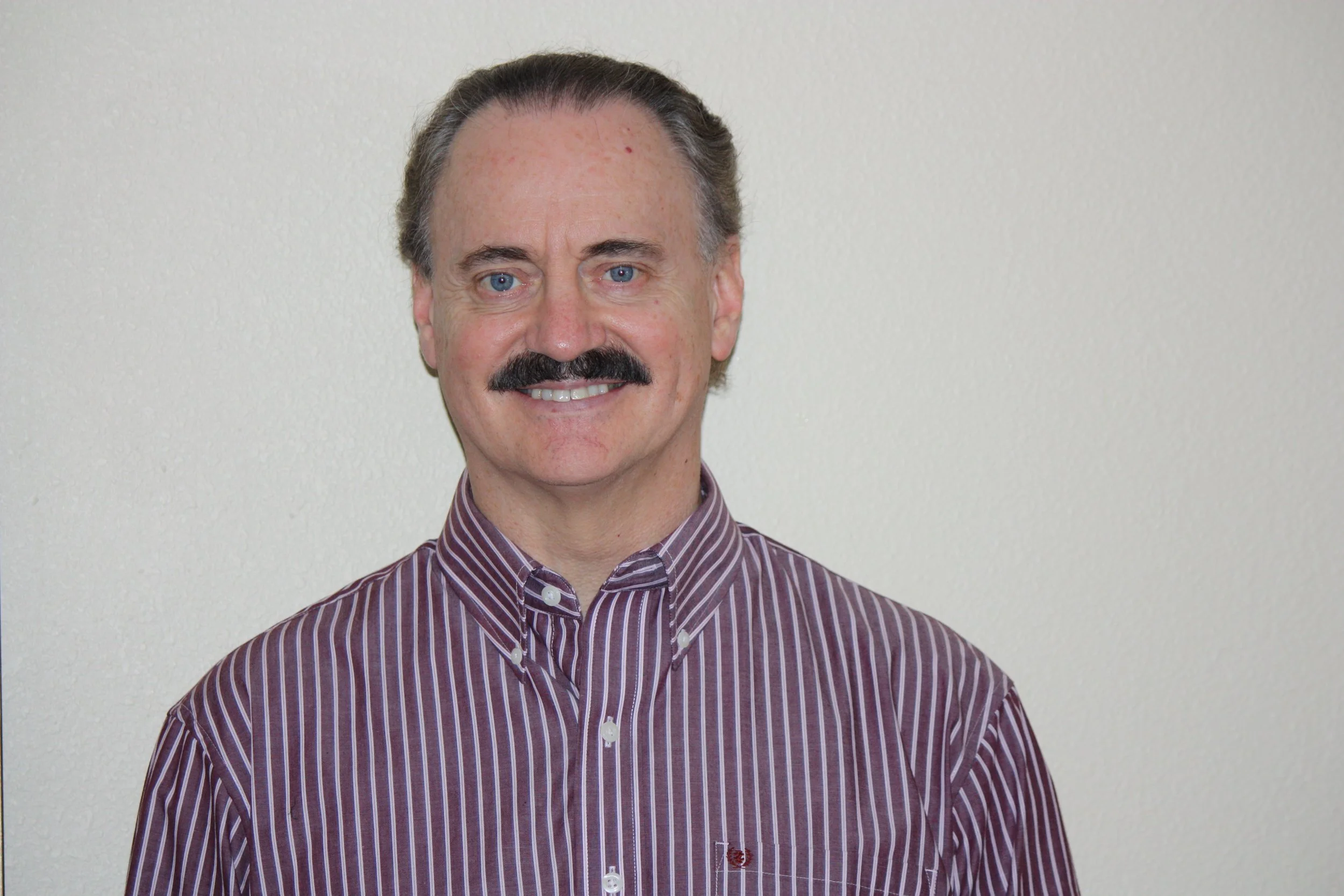
Author Biography
Brian C. Knapp is a retired psychotherapist and independent scholar whose work explores the role of opposition in psychology, philosophy, morality, history, and the structure of reality itself.
He pursued graduate studies at the Graduate Faculty of Political and Social Science at The New School for Social Research in New York City and has spent more than fifty years studying the work of Carl Jung, continental philosophy, and the evolution of human consciousness.
His work develops the idea that opposition is not merely conflict but a fundamental principle underlying psychic life, moral development, historical transformation, and cosmological evolution. Drawing on Jung, Kant, Heidegger, Prigogine, Smolin, complexity theory, and contemporary physics, Knapp proposes that reality evolves through dynamic, oppositional structures shaped by the interaction among energy, matter, information, and time.
His theoretical framework introduces the concepts of Plasmata and Structum to describe the transition from primordial, undifferentiated potential to a structured, evolving reality. Within this framework, consciousness, morality, civilizations, and historical systems are understood as evolving structures generated through the continuous transformation of oppositions.
Knapp is the author of Oppositional Thought: How the Principle of Opposition Structures the Way Our Mind Works, a self-published book on Amazon, An effort To Reconcile: Uniting the Opposite Within: The Development of Jungian Theory, a forthcoming book to be published by Olympia Publishers, Why Symbols Mean More Than We Think: A Story of Everything, coming out next February by Essentia Books, and a self-help book titled The Two Sides of You: Embracing your inner opposites for Clarity and Confidence, to be published by Collective Ink next year, based on the principles in Why Symbols Mean More Than We Think. His current work applies these ideas to the historical dynamics of societies, political polarization, cultural transformation, and the future dynamics of modern technological society.